KARACHI: A high-level gathering of Pakistan’s energy experts has called for an urgent shift toward a proactive and risk-informed energy security framework, warning that the country remains vulnerable to global disruptions if critical structural gaps are not addressed in a timely manner.
The recommendations emerged during a Meet & Greet session hosted by the Petroleum Club of Pakistan on Saturday, where senior professionals from across the oil and gas sector convened to assess the implications of recent geopolitical developments, including the evolving Gulf conflict.
Participants noted that Pakistan’s energy architecture continues to face multiple systemic challenges, including supply chain disruptions, heavy reliance on imported fuels, limited refining capacity, and exposure to external geopolitical shocks. They emphasized that without decisive reforms, these vulnerabilities could intensify amid an increasingly uncertain global energy landscape.
A key concern highlighted during the session was the growing liquidity crunch faced by Oil Marketing Companies (OMCs). Experts cautioned that if this issue is not resolved on an urgent basis through practical and positive policy interventions, it could trigger a breakdown in the national energy supply chain, directly impacting fuel availability and economic stability.
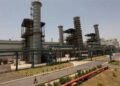
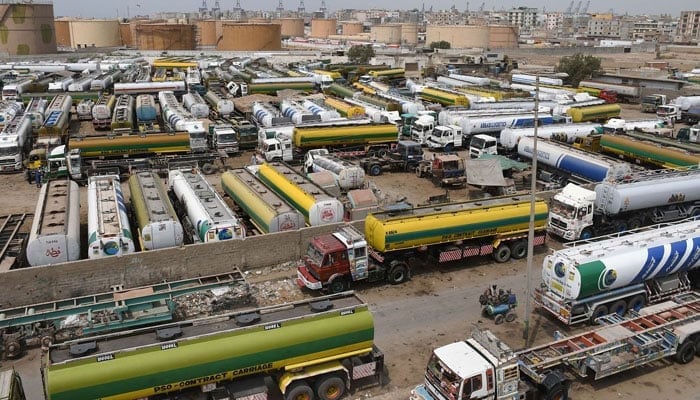
The forum underscored the need to strengthen indigenous exploration and production, accelerate refinery upgradation projects, and adopt more efficient and diversified LNG procurement strategies. Enhancing strategic storage capacity and logistics infrastructure was also identified as critical to ensuring uninterrupted and resilient energy supplies.
In addition, participants emphasized the strategic importance of reviving the Iran–Pakistan Gas Pipeline project, recommending that Pakistan pursue the initiative with renewed intent and diplomatic focus, particularly in the context of any evolving Iran–US mediation framework. The project was described as vital for long-term energy security, offering a reliable and potentially cost-effective source of natural gas to mitigate domestic supply deficits.
Energy professionals further pointed to opportunities in regional energy connectivity, stressing the importance of policy consistency, regulatory alignment, and investment-friendly frameworks to unlock the sector’s full potential. The role of the private sector was highlighted as essential in driving innovation, operational efficiency, and sustainable growth.
The discussion reflected a strong and growing consensus within the industry that Pakistan must move beyond reactive policymaking and adopt a forward-looking, strategy-driven approach capable of anticipating risks while capitalizing on emerging opportunities.
The session was attended by prominent industry leaders, including Masroor Khan (Former Chairman, OGRA), Majid Siddiqui (Project Head, PPL), Tufail Khoso (CEO, Sindh Energy Company), Tauqeer (Senior Manager Exploration, PPL), Ather Jamil (Exploration Head, UEPL), Tariq Rizavi (Former MD & Board Member, PARCO), Masood Siddiqui (Former MD, OGDCL), Moin Raza Khan (Former MD, PPL), Mohammad Wasi Khan (Former Chairman/CEO, Cynergico), Sheikh Imran ul Haq (Refinery Upgradation Project, PRL), Muhammad Tahir Alam (General Secretary, Petroleum Club of Pakistan), Brig. (R) Ahmed Fraz Butt (Director Admin, Enar Petroleum), and Asim Subhani (Director Marketing, Prime).
The Petroleum Club of Pakistan reiterated its commitment to serving as a credible platform for informed dialogue, policy engagement, and industry collaboration, working collectively toward a secure, resilient, and self-reliant energy future for Pakistan. Ends