ISLAMABAD: The Power Division on Friday clarified that the Prime Minister’s relief package of Rs 4.04 per unit for industry forms part of the base tariff, while Fuel Cost Adjustments (FCA) and Quarterly Tariff Adjustments (QTAs) are variable components applied on a monthly and quarterly basis.
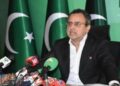
In a statement, the spokesperson for the Power Division said recent media reports had created unnecessary confusion by linking the positive FCA with the electricity relief package announced by Prime Minister Shehbaz Sharif. He emphasised that the two are separate elements within the tariff determination framework and have no direct relationship.
The spokesperson explained that FCA and QTAs are routine regulatory mechanisms applied strictly on the basis of actual variations in generation costs and system performance during a given period. These adjustments may be positive or negative depending on prevailing fuel prices and electricity generation patterns, and are implemented transparently under the approved tariff regime.
Accordingly, any increase or decrease on account of FCA reflects only month-to-month changes in actual fuel costs and does not constitute withdrawal or reduction of any policy relief, he said. Similarly, QTAs are periodically applied to reconcile verified cost variations and may offset or moderate the impact of FCA adjustments.
He categorically stated that the Prime Minister’s relief of Rs 4.04 per unit remains fully effective and unchanged as part of the base tariff. The application of FCA or QTA is independent of this relief and operates as a standard feature of the electricity tariff mechanism applicable to all consumers.
The spokesperson maintained that associating the recent FCA with erosion or reversal of the Prime Minister’s relief package amounts to a mischaracterisation of tariff mechanics. The announced relief continues to remain in place, while FCA and QTAs are being applied strictly in accordance with actual costs under the established regulatory framework.
In a separate clarification, the Power Division highlighted what it described as the exceptional performance of the national power system in January 2026.
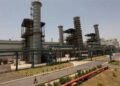
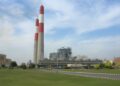
Despite challenging network and hydrological conditions — including canal closures, fog-induced transmission line trippings in northern and southern regions, and a severe cold wave — the system achieved its highest-ever January peak generation of 16,584 MW and an average generation of 12,239 MW. Actual generation stood at 9,106 GWh against a reference projection of 7,962 GWh, exceeding projections by approximately 14 percent and marking a 13 percent increase over January 2025.
The month witnessed major generation constraints, including: (i) a forced outage of 1,040 MW at K-3; (ii) a forced outage of 1,180 MW at Haveli Bahadur Shah (HBS); (iii) partial and forced outages at the Sahiwal Coal Power Plant; and (iv) a 300 MW refuelling outage at C-III.
According to the Power Division, despite reduced baseload capacity and limited hydel availability, the national power system was operated in strict adherence to merit-order dispatch. Optimal use was made of available thermal resources, hydel generation was managed carefully within water constraints, and transmission corridors were continuously monitored. Proactive security measures ensured grid stability and prevented cascading failures or widespread load management.
The division appreciated the resilience and professionalism demonstrated by system operators under demanding conditions.
It added that commercial implications arising from the rebasing of reference tariffs in January 2026 may be obtained from CPPA-G.
Currently, system demand is being met efficiently through hydel generation supported by improved water inflows, with only one RLNG-based plant in operation. No furnace oil-based generation has been utilised, including during peak demand hours at Iftar, Taraweeh, and Sehr. Ends

SSGC Board appoints Rajput as MD/CEO for three years
ISLAMABAD: SSGC's Board of Directors has appointed Mr. Muhammad Amin Rajput as the Company's Managing Director / Chief Executive Officer...
Read more