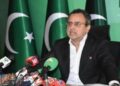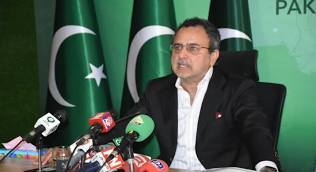
ISLAMABAD : Minister for Power Sardar Awais Ahmad Khan Leghari said on Sunday that the government is not ending electricity subsidies for protected consumers.
Addressing a press conference, he said that number of protected consumers has increased from 9.5 million to 21.5 million over the past four years, Owais Leghari stated. Currently, 29.57 million, or 86% of domestic consumers, are being provided subsidies, he added.
According to the Minister, I he volume of electricity subsidies has increased from Rs 199 billion to Rs 423 billion A total subsidy of Rs 527 billion is being provided to the agricultural and domestic sectors.
A QR code system will ensure uninterrupted subsidy provision to eligible consumers, the Minister said adding that a registration system has been introduced to ensure subsidies reach only eligible consumers. More than 2 million single-phase consumers have completed their registration, he added.
” Reports about ending subsidies are contrary to facts,” the minister clarified. Government claims of reducing electricity prices are accurate, he added.
Renegotiation of IPP agreements has resulted in savings of Rs 3.5 trillion. Reduction in DISCOs’ losses has saved Rs 193 billion. A reduction of Rs 780 billion in circular debt was recorded in fiscal year 2024–25. Savings of Rs 47 billion were achieved through the sale of unnecessary GENCO machinery.
Due to reforms, electricity costs have significantly decreased, said Owais Leghari. Positive results of energy sector reforms are emerging.
Power sector reforms have provided direct relief to consumers. Reducing the subsidy volume in the budget has eased the burden on the national exchequer. The burden of cross-subsidy on industrial consumers has been reduced.
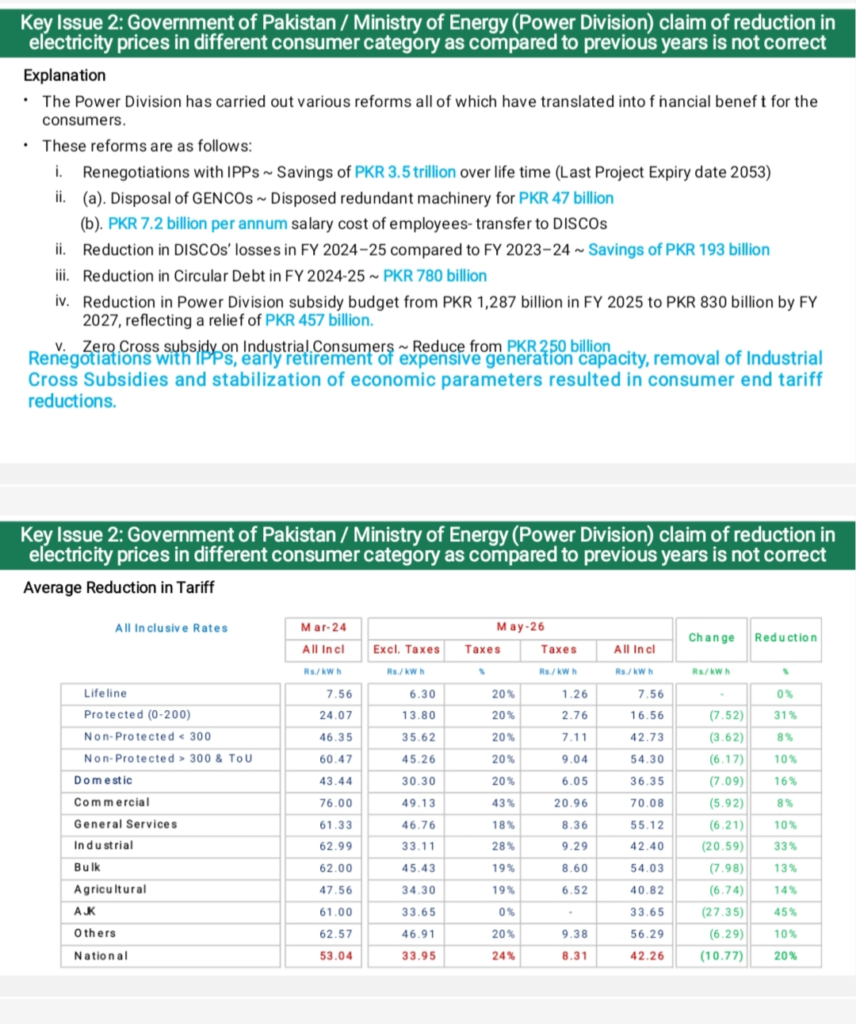
From March 2024 to May 2026, electricity has become cheaper for all categories of consumers. Electricity tariffs for protected consumers have decreased by 31%. Tariffs for domestic consumers have decreased by 16%. Electricity for industrial consumers has become 33% cheaper, and for commercial consumers 8% cheaper.
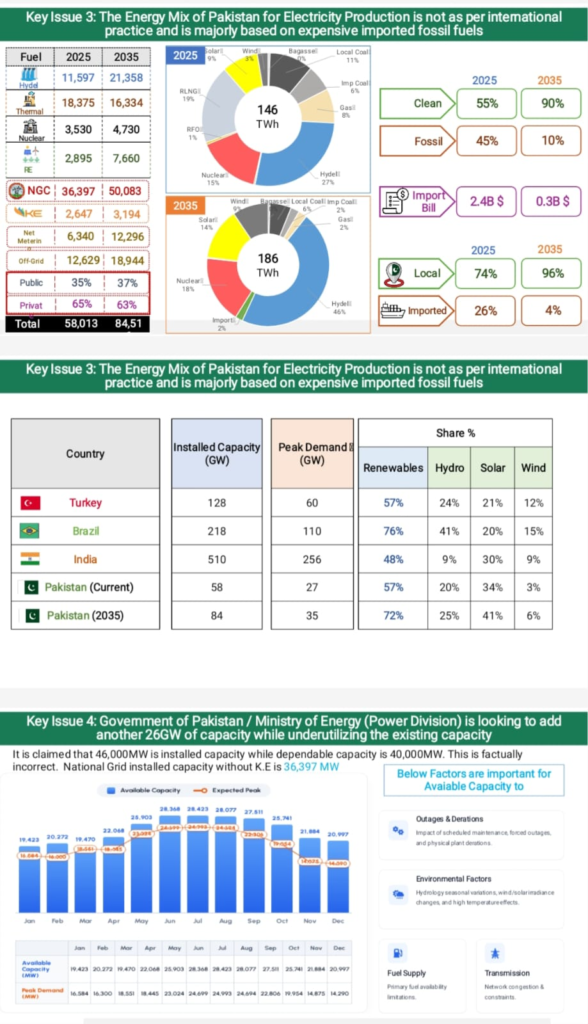
Agricultural consumers have received a 14% relief in electricity tariffs. Electricity tariffs for consumers in Azad Kashmir have decreased by 45%. For bulk consumers, tariffs have decreased by 13%. Overall, average electricity tariffs nationwide have decreased by 20%. Reliance on local sources for electricity generation is steadily increasing. By 2035, the share of clean energy will reach 90%, up from the current 55%.
During this period, electricity generation from local resources will increase from 74% to 96%, the minister said. Pakistan’s renewable energy share stands at 57%, compared to India’s 48%. Solar energy is not being discouraged; instead, the system is being made more transparent.
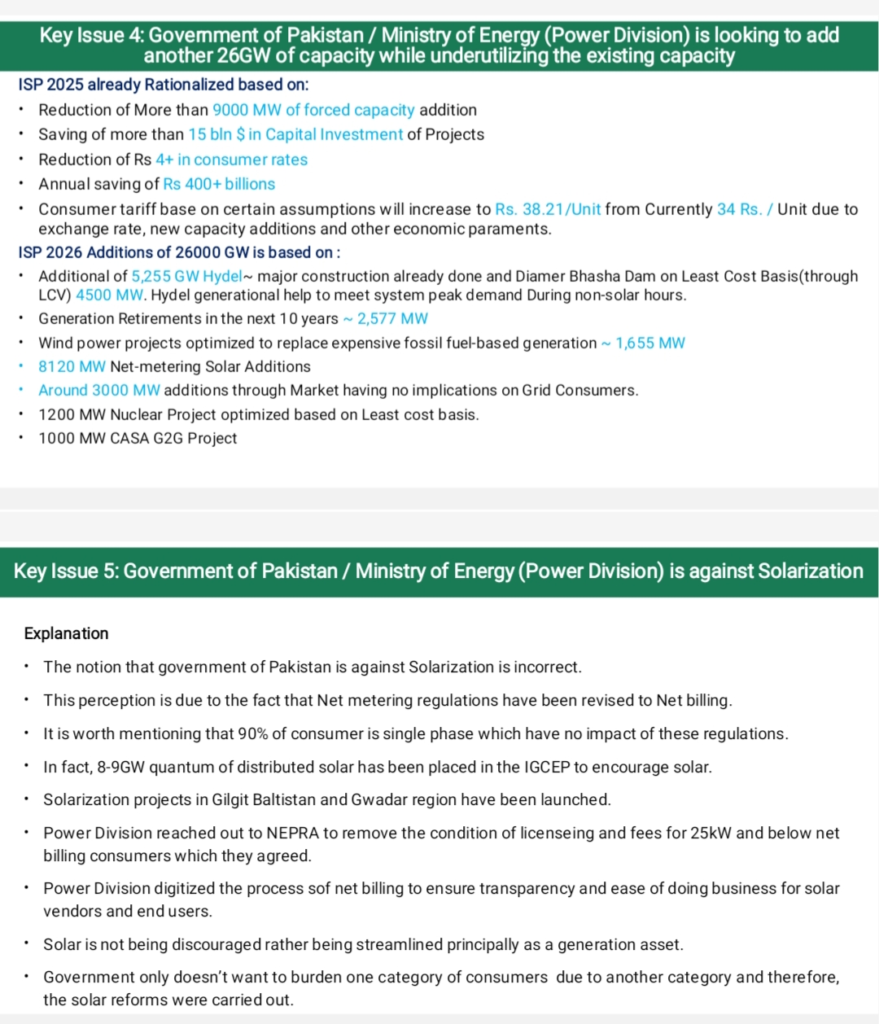
The national energy plan includes 8 GW of distributed solar energy. The net billing policy will not affect 90% of domestic consumers. There is no major change in the solar system for single-phase domestic consumers. Solarization projects are underway in Gilgit-Baltistan and Gwadar.
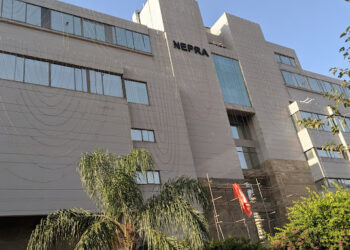
Licensing requirements have been removed for solar projects up to 25 kW. NEPRA has approved facilitation measures for small solar projects on the Power Division’s request. The net billing system has been digitized to improve transparency. Net metering has not been completely abolished; only billing procedures have been reformed.
Efforts are being made to protect solar consumers’ interests while maintaining balance among all consumers. Subsidies for protected consumers are not being abolished.