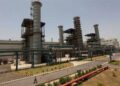

ISLAMABAD: The government’s latest changes to the pricing mechanism of Motor Spirit (MS/petrol) are likely to cause an estimated adverse financial impact of Rs49 per litre on domestic refineries, raising serious concerns about the viability of multibillion-dollar refinery upgradation projects.
In a communication dated October 31, 2026, Adil Khattak, Chief Executive Officer of Attock Refinery Limited (ARL), said the government’s decision to incorporate pre-war premiums and incidentals into the MS pricing mechanism would cost refineries approximately Rs35 per litre.
He said an additional diversion of Rs14 per litre from their customs duty recovery towards reducing the Petroleum Levy would take the total adverse impact to Rs49 per litre.
Khattak maintained that refineries had already made significant concessions to the government on two occasions by agreeing to cap their spread on High-Speed Diesel (HSD), initially at $41.89 and subsequently at $38, at the government’s request.
However, he said, the refineries were now facing another substantial financial setback without even a semblance of consultation.
He argued that the latest decision directly undermined the Brownfield Refineries Upgradation Policy, which specifically required that proceeds from the 10 percent customs duty be deposited into dedicated refinery accounts to partially finance their upgradation projects.
“Diverting these funds for other purposes defeats the very objective of this provision,” he observed.
The ARL chief executive further pointed out that the government’s move also undermined an explicit assurance provided under the policy regarding protection against adverse changes during the project execution period.
According to him, such assurances were fundamental to establishing the financial viability and bankability of multibillion-dollar refinery investment projects.
The latest development has raised concerns over the financial commitments made by refineries under the Brownfield Refineries Upgradation Policy, particularly in view of the substantial investment required to upgrade existing facilities and improve the quality of petroleum products.
The refineries had been relying on the policy framework and associated fiscal incentives to support their investment decisions. Any changes affecting the agreed financial arrangements could have implications for the implementation of their upgradation programmes.
Khattak’s communication highlights the growing concerns of the refining industry over changes in petroleum pricing and the utilisation of customs duty proceeds originally earmarked to support refinery modernisation.