ISLAMABAD: The country’s industry has demanded discontinuation of ineffective electricity incremental package.
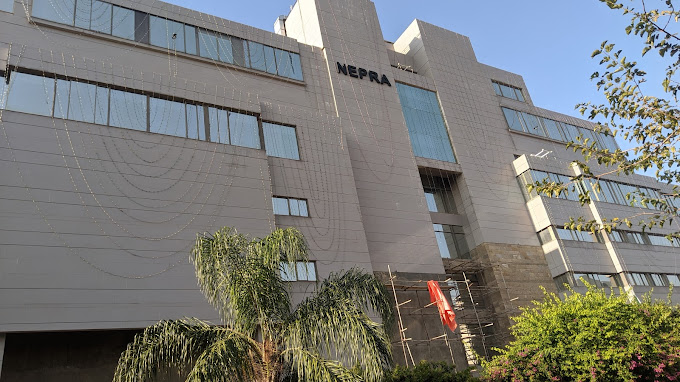
This demand has been made at a time when Power Division is set to submit a bi-annual reassessment of the surplus incremental package to the National Electric Power Regulatory Authority (NEPRA) for guidance and alteration.
Industry is of the view that the much talked about scheme is unbeneficial for major consumers.
This was disclosed by a Power Division representative during a public hearing on the Fuel Charges Adjustment (FCA) petition filed by the Central Power Purchasing Agency-Guarantee (CPPA-G) for May 2026. The CPPA-G has sought a positive FCA adjustment of Rs0.82 per unit to be charged in July 2026, replacing the April FCA of Rs1.19 per unit billed in June 2026, resulting in a net relief of Rs0.37 per unit for consumers.
The hearing was presided over by NEPRA Chairman Waseem Mukhtar and Member (Tariff and Finance) Amina Ahmed. Officials including CPPA-G CEO Rihan Akhtar, CFO of Power Planning and Monitoring Company (PPMC) Naveed Qaiser, and Salahuddine from the Independent Market System Operator (IMSO) presented data and responded to queries from stakeholders.
Representatives from the industrial sector, including Aamir Sheikh and Rehan Javed, strongly criticized the incremental package—priced at Rs22.98 per unit—arguing that it has failed to deliver tangible benefits. They contended that the observed increase in industrial consumption was largely due to the shift from captive power generation to the national grid, rather than the incentives offered under the package.
Aamir Sheikh maintained that nearly half of the industrial consumers did not qualify for the package due to flawed reference calculations, depriving them of its benefits. He further argued that incremental sales under the scheme have been made at a loss, effectively shifting the burden onto non-qualifying consumers through cross-subsidies. He urged the government to temporarily suspend the package and conduct a comprehensive review to ensure equitable treatment.
Rehan Javed echoed these concerns, stating that the package appeared to favor furnace-based industries rather than the textile sector, which is facing closures due to high energy costs. He recommended that the Power Division and PPMC engage directly with industry stakeholders to better understand their operational challenges before revising the policy.
Responding to these concerns, NEPRA Member Amina Ahmed directed the PPMC to hold consultations with industry representatives before submitting a formal review application to the regulator.
However, PPMC’s CFO Naveed Qaiser disagreed with the industry’s assessment, stating that 39 percent of industrial consumers (109,235 out of 281,100) and 28 percent of agricultural consumers (65,423 out of 236,466) had benefited from the package. Overall, 34 percent of consumers across both sectors—174,658 out of 517,566—had availed the scheme.
The Authority was informed that overall electricity consumption in May 2026 declined by 4.6 percent year-on-year, primarily due to reduced industrial activity, Eid holidays, and comparatively lower temperatures. The system recorded a peak demand of 23,010 MW in May, while the minimum demand dropped to 10,050 MW on May 30, 2026. In contrast, June 2026 witnessed a higher peak demand of 26,815 MW.
On fuel pricing, CPPA-G CEO Rihan Akhtar described the gas supply situation as complex, noting that the government has introduced a weighted average gas price of Rs2,000 per MMBTU for domestic and CNG sectors to support the power sector and mitigate revenue shortfalls of gas companies. However, with the resumption of RLNG supplies, prices have surged to approximately Rs4,357 per MMBTU.
He added that a summary has been submitted to the Economic Coordination Committee (ECC) for formal approval of the weighted average rate for industry during the RLNG supply suspension period.
Regarding the predictability of Quarterly Tariff Adjustments (QTA) for April–June 2025-26, the PPMC CFO stated that June figures are yet to be finalized but are unlikely to significantly impact consumers.
Addressing concerns about ongoing load shedding, Qaiser attributed the issue to reduced generation from Tarbela and a forced outage at the Sahiwal coal-fired power plant, adding that the situation has since been resolved.
He also highlighted that electricity tariffs for industry have been reduced by Rs17 per unit since March 2024, with an overall net reduction of Rs0.47 per unit.
During the hearing, queries raised by Jamaat-e-Islami representative Imran Shahid were not entertained by the Authority on the grounds of irrelevance to the proceedings.
The issue of funding and high salaries within PPMC also came under discussion. NEPRA clarified that it has not approved any funding for the company, which operates under the federal government. Ends