ISLAMABAD: Power Division on Tuesday said that revenue -based load shedding will continue across the country even after arrival of Liquefied Natural Gas (LNG) cargoes, stuck due to closure of Strait of Hormuz.
According to Power Division’s spokesperson currently, power plants with a capacity of 5,500 megawatts running on LNG are not generating electricity. As soon as LNG becomes available, all these plants will resume power generation. Generation data, however, shows that 500 MW electricity is being generation from Balloki Power Plant by using indigenous gas.
The spokesperson further stated that load management based on electricity theft and system losses will continue in power distribution companies across the country.
The spokesperson clarified that load management based on theft and losses is part of policy and is not related to peak load management, adding that even after LNG availability, load management based on theft and losses will continue.
During a press conference last week, Minister for Power, Sardar Awais Ahmad Khan Leghari had defended revenue-based load shedding, saying that efforts are underway to formalize the mechanism to make revenue -based load shedding in accordance with NEPRA’s Act . However, he said that abolishing it would add around Rs400 billion to circular debt.
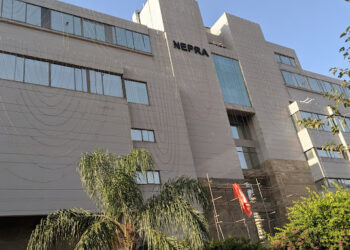
National Electric Power Regulatory Authority has declared revenue-based load shedding as illegal and also imposed penalties’ on DISCOs and K-Electric.
Ministry of Law and Justice had also a termed the revenue -based load shedding against the fundamental rights of the country.
Power Division Spokesperson further stated that electricity generation from hydel sources has substantially increased to 5000 MW during peak hours , substantially higher from since April 17, 2026.
According to a spokesperson of Power Division, due to increased water releases from dams in line with provincial indents 5,000 Megawatts of hydropower is being generated during peak night hours.
The spokesperson further stated that additionally, the availability of an extra 400 megawatts of electricity from the southern part of the country has helped bring stability and support supply to the central region, adding that no load management was carried out during peak night hours on April 17, 18, and 19.
On April 20, most power distribution companies across the country conducted only one hour of load management during the night. However, only GEPCO and SEPCO implemented two hours of load management during peak night hours.
Ends