ISLAMABAD: Pakistan is once again confronting the harsh realities of its energy economics as international oil prices surge, placing significant strain on public finances and exposing the unsustainability of existing fuel subsidies.
Recent data based on Platts benchmarks for Asian markets indicates a sharp escalation in prices between February 27 and April 2, 2026. Dubai crude has risen by nearly 61 percent, while refined products have recorded even steeper increases—gasoline by almost 80 percent, jet fuel by over 150 percent, and diesel by an extraordinary 222 percent.
These global price movements are not merely abstract trends; they are translating directly into mounting fiscal pressures for Pakistan.
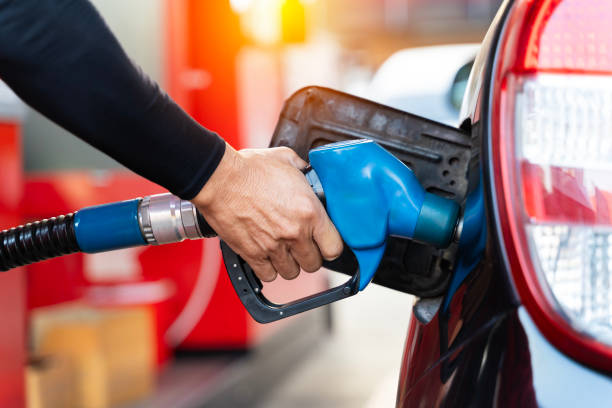
Despite the surge in international prices, the government continues to shield consumers through substantial subsidies. Petrol is currently subsidised by approximately Rs 105 per litre, while diesel carries an even higher subsidy of around Rs 205 per litre.
However, based on prevailing global prices, the actual cost of diesel in Pakistan is estimated to be close to Rs 620 per litre—more than three times the current retail price. This widening gap underscores a critical policy dilemma. While subsidies provide short-term relief to consumers already burdened by inflation, they are becoming increasingly unsustainable for the state.
The continuation of such subsidies carries serious economic risks. Financing the price differential places additional pressure on limited fiscal resources, while higher oil import bills increase demand for foreign exchange, weakening the currency and aggravating balance-of-payments challenges. At the same time, artificially low domestic prices encourage higher fuel consumption, further deepening import dependence. Fuel pricing remains one of the most politically sensitive issues in Pakistan. Passing on the full cost to consumers’ risks triggering public backlash and fueling inflation across transport, food, and industrial sectors.
However, delaying necessary adjustments only compounds the problem. The longer prices are kept artificially low, the sharper and more painful the eventual correction is likely to be.
Pakistan now faces a difficult but unavoidable choice: continue financing large-scale subsidies at the expense of macroeconomic stability, or gradually align domestic fuel prices with international market realities while protecting vulnerable segments through targeted support mechanisms.
With global oil markets remaining volatile, the window for gradual reform is rapidly narrowing. Without timely and decisive action, the country risks deeper fiscal stress and a far more disruptive adjustment in the near future. The current trajectory suggests that Pakistan’s fuel pricing policy is approaching a tipping point—one that will demand both political resolve and economic prudence.